|
|
|
The BAA has been
supporting amateur astronomers since 1890, and has an international
reputation for the quality of its scientific work. Its objectives include the
encouragement of all aspects of observational astronomy and the promotion of
a general interest in astronomy for beginners as well as for the more
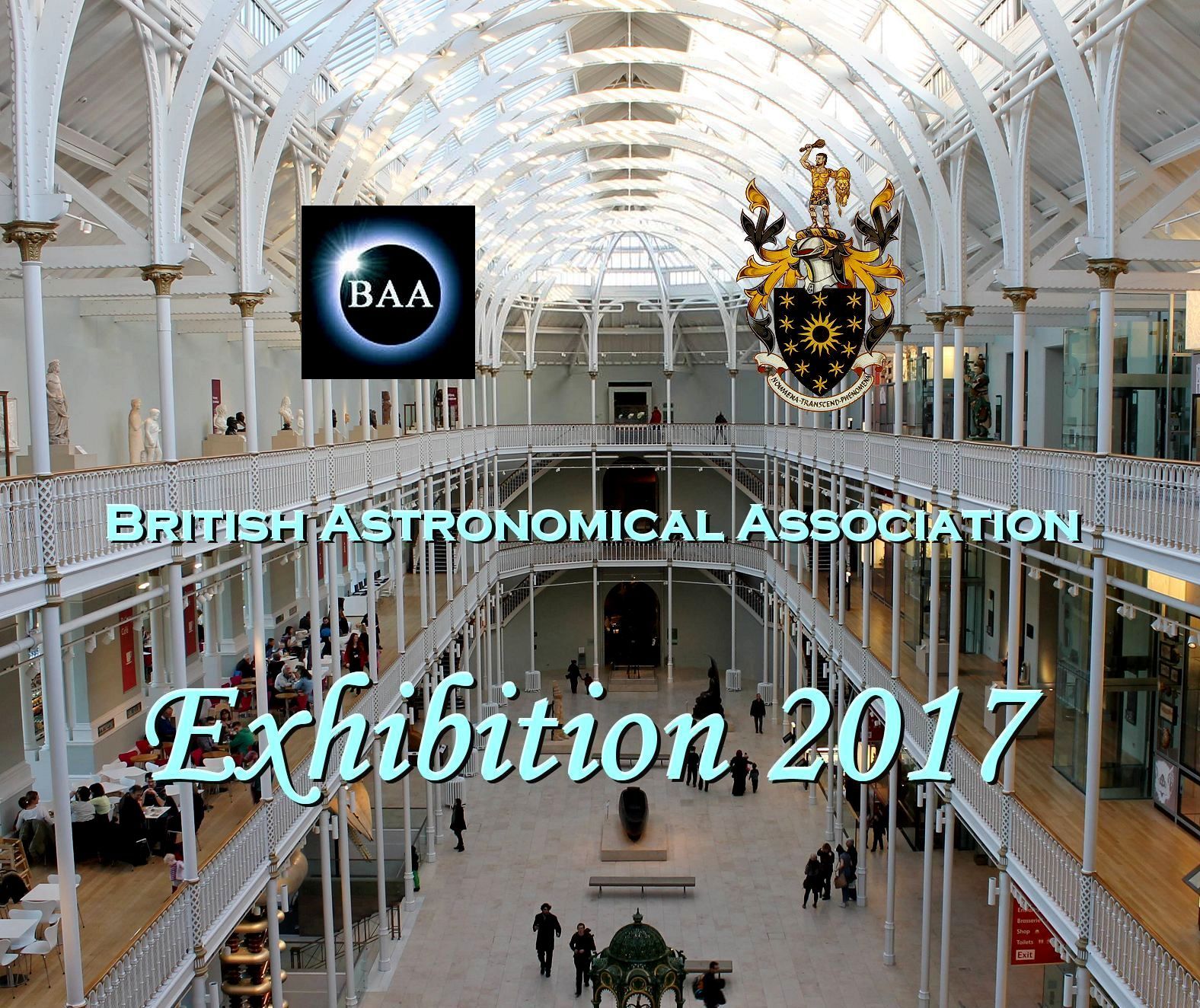
advanced. This year’s Exhibition took place on Saturday 24 June 2017 at the National Museum of Scotland Edinburgh Organiser: Lorraine Crook E-mail: lorrainedewootton@outlook.com Mobile: 07931
462596 |
|
–––––––––––––––––––––––––––––––––––––––––––––––––––––––––––––––––––––––––––––––––––––––––––––––––––––––––––––––––––––––––––––––––––––––––––––––––––––––––––––––––––––––––––––––––––––––––––––––––––––––––––––––––––––––––––––––––––––– |
|
|
|
|
|
|
|
|
|
|
|
|
|
Solar Section |
|
Lunar Section |
|
Mercury and Venus Section |
|
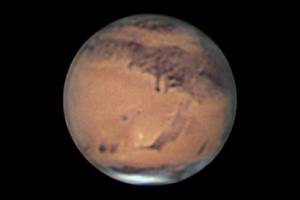
Mars Section |
|
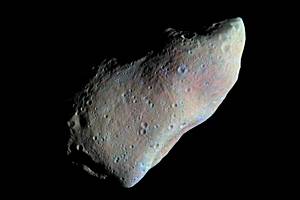
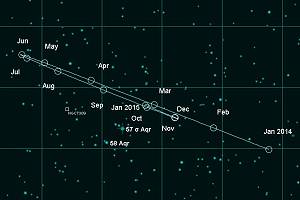
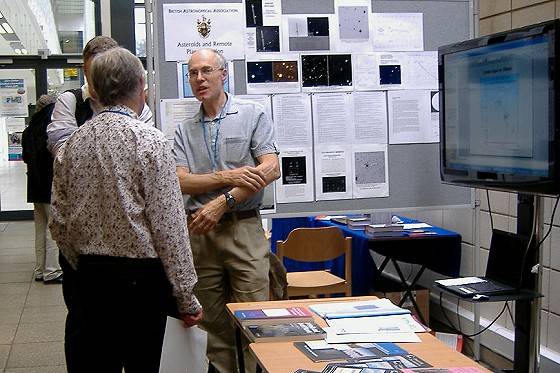
Asteroids and Remote Planets Section |
|
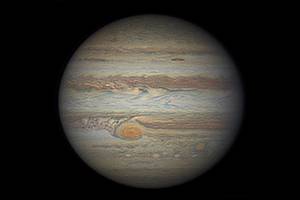
Jupiter Section |
|
|
|
|
|
|
|
|
|
|
|
|
|
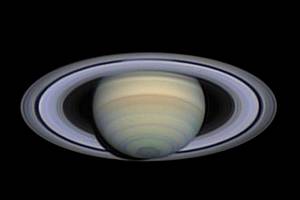
Saturn Section |
|
Comet Section |
|
Meteor Section |
|
Aurora Section |
|
Variable Star Section |
|
Deep Sky Section |

|
|
|
|
|
|
|
|
|
|
|
|
|
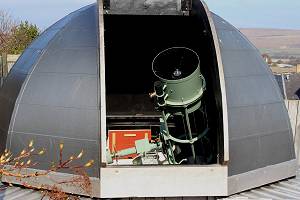
Instruments and Imaging Section |
|
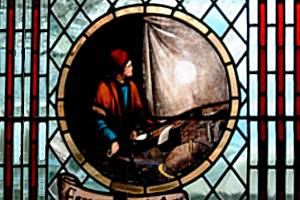
Historical Section |
|
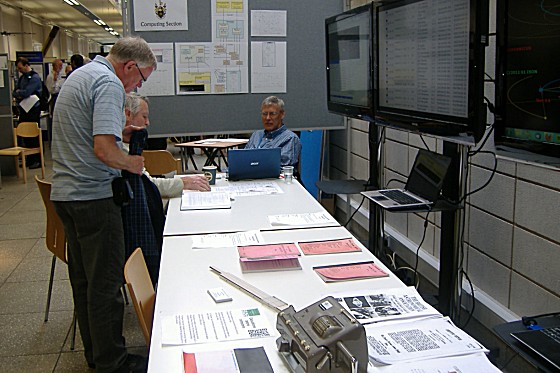
Computing Section |
|
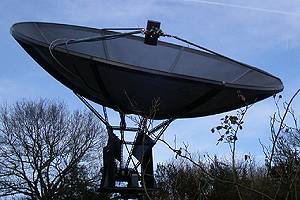
Radio Astronomy Group |
|
Commission for Dark Skies |
|
Sales and Promotions |
|
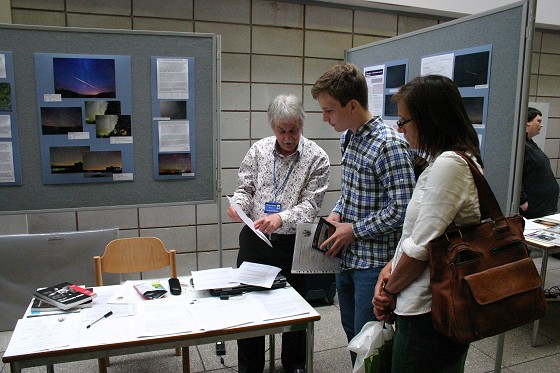
Section Directors and colleagues were
available for consultation and conversation, and short grouped talks summarising the objectives and work of
the Association were presented at intervals throughout the day |
|
–––––––––––––––––––––––––––––––––––––––––––––––––––––––––––––––––––––––––––––––––––––––––––––––––––––––––––––––––––––––––––––––––––––––––––––––––––––––––––––––––––––––––––––––––––––––––––––––––––––––––––––––––––––––––––––––––––––– |
|
|
|
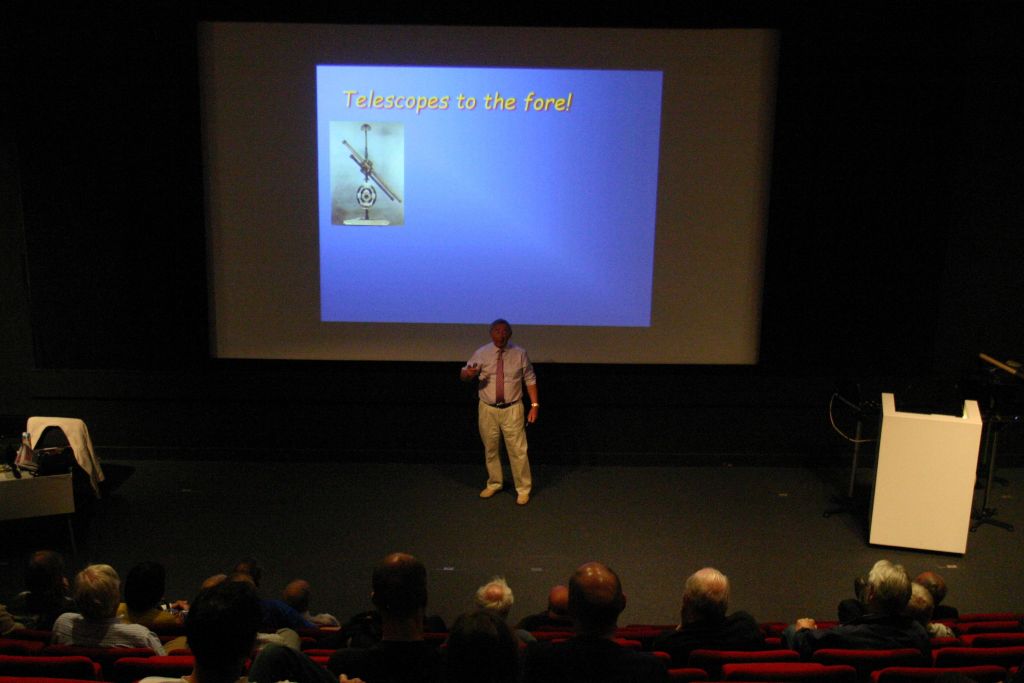
At 2.00
pm a lecture was presented
by the guest speaker Professor
Ian Robson Royal Observatory, Edinburgh University of Edinburgh The
Changing Scene of Astronomy |
|
|

|
–––––––––––––––––––––––––––––––––––––––––––––––––––––––––––––––––––––––––––––––––––––––––––––––––––––––––––––––––––––––––––––––––––––––––––––––––––––––––––––––––––––––––––––––––––––––––––––––––––––––––––––––––––––––––––––––––––––– |
|
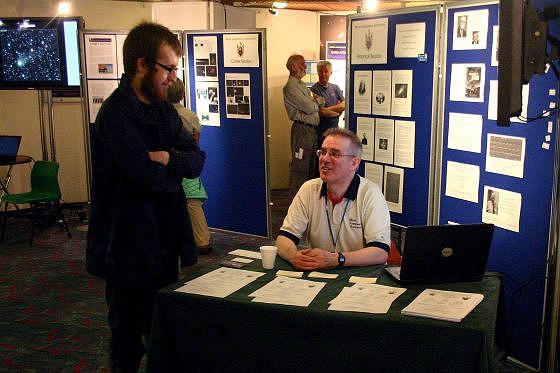
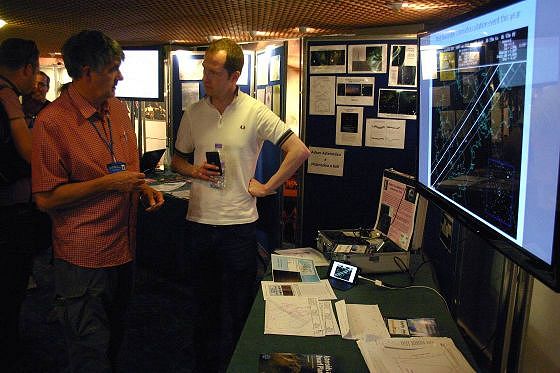
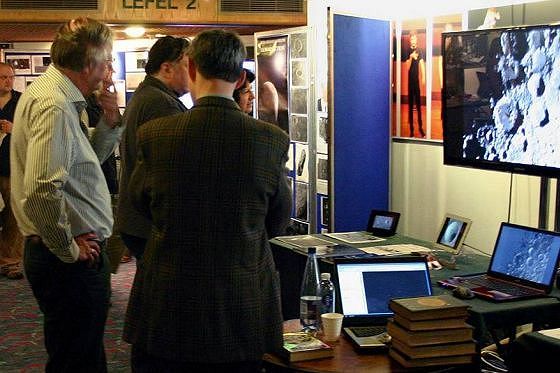
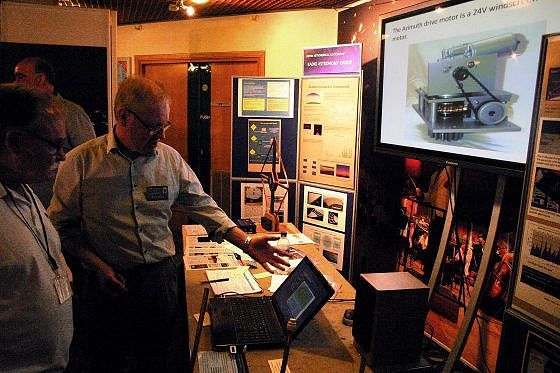
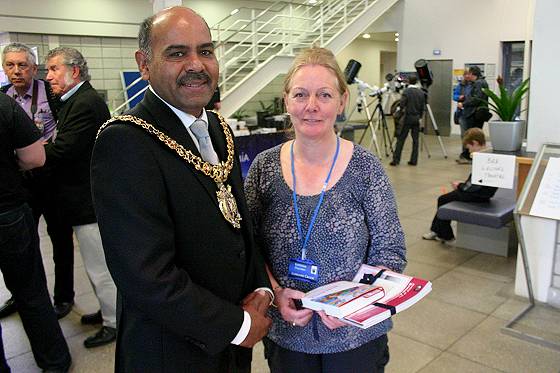
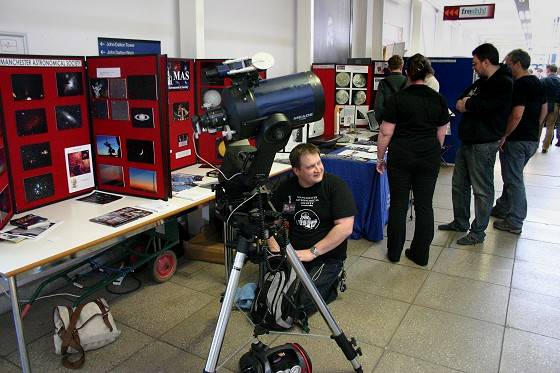
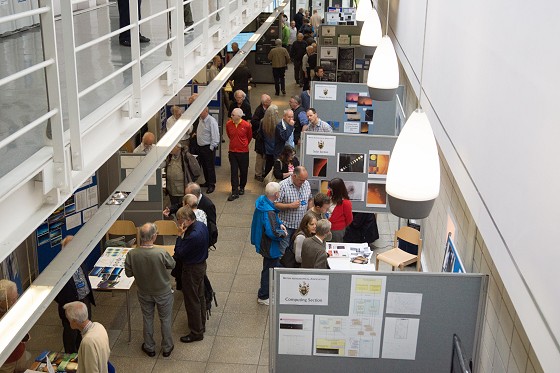
In recent years the Exhibition has
moved away from central London and been taken around the country to serve the
membership and the public in as wide an area as possible: the Old Royal Naval
College in Greenwich, Manchester Metropolitan University, St David’s
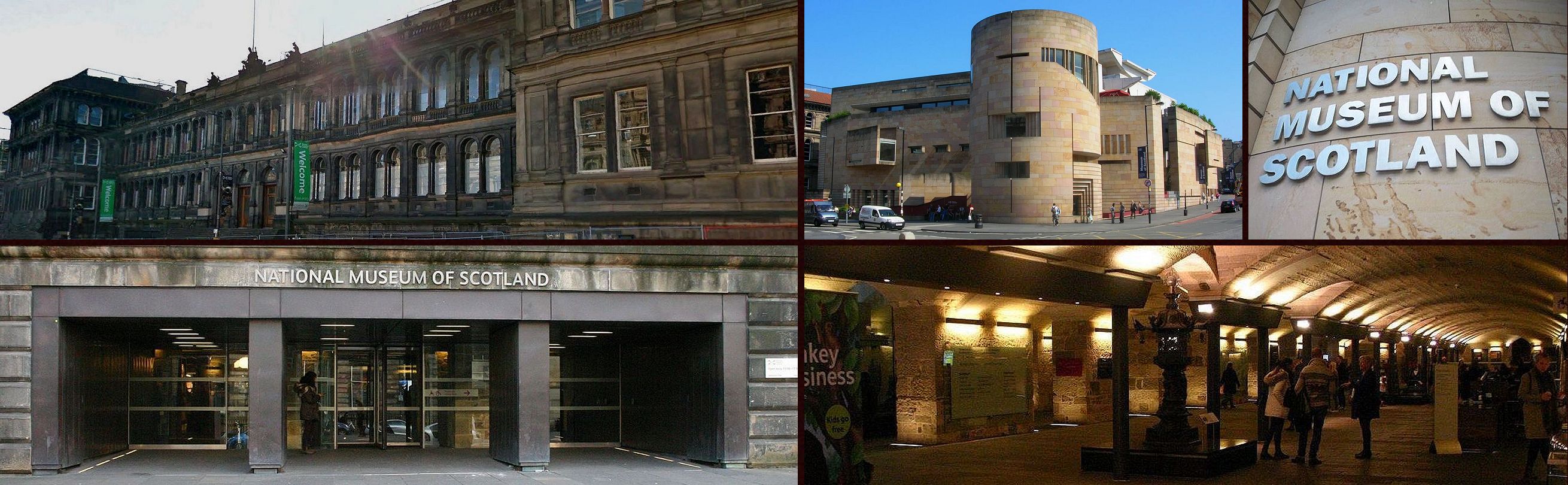
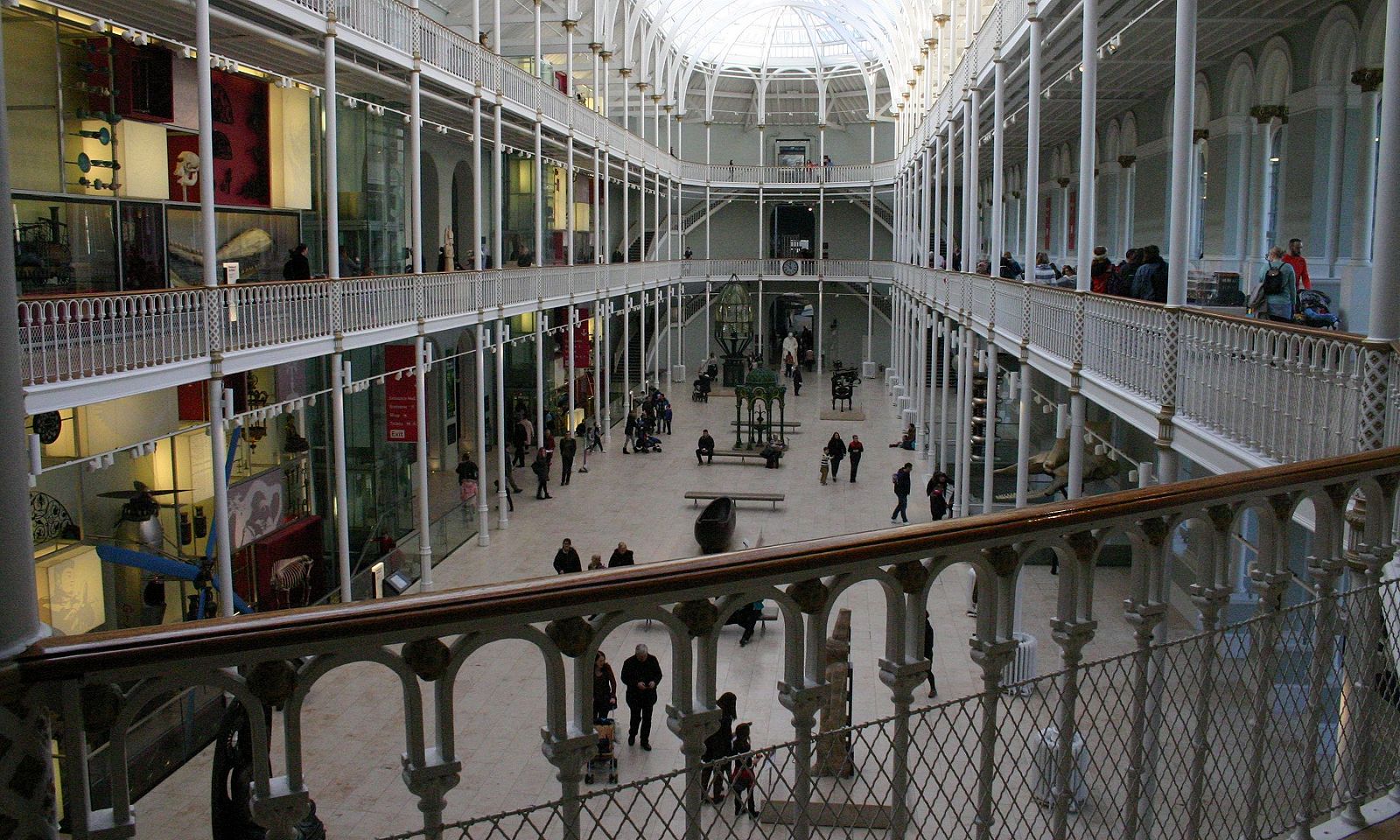
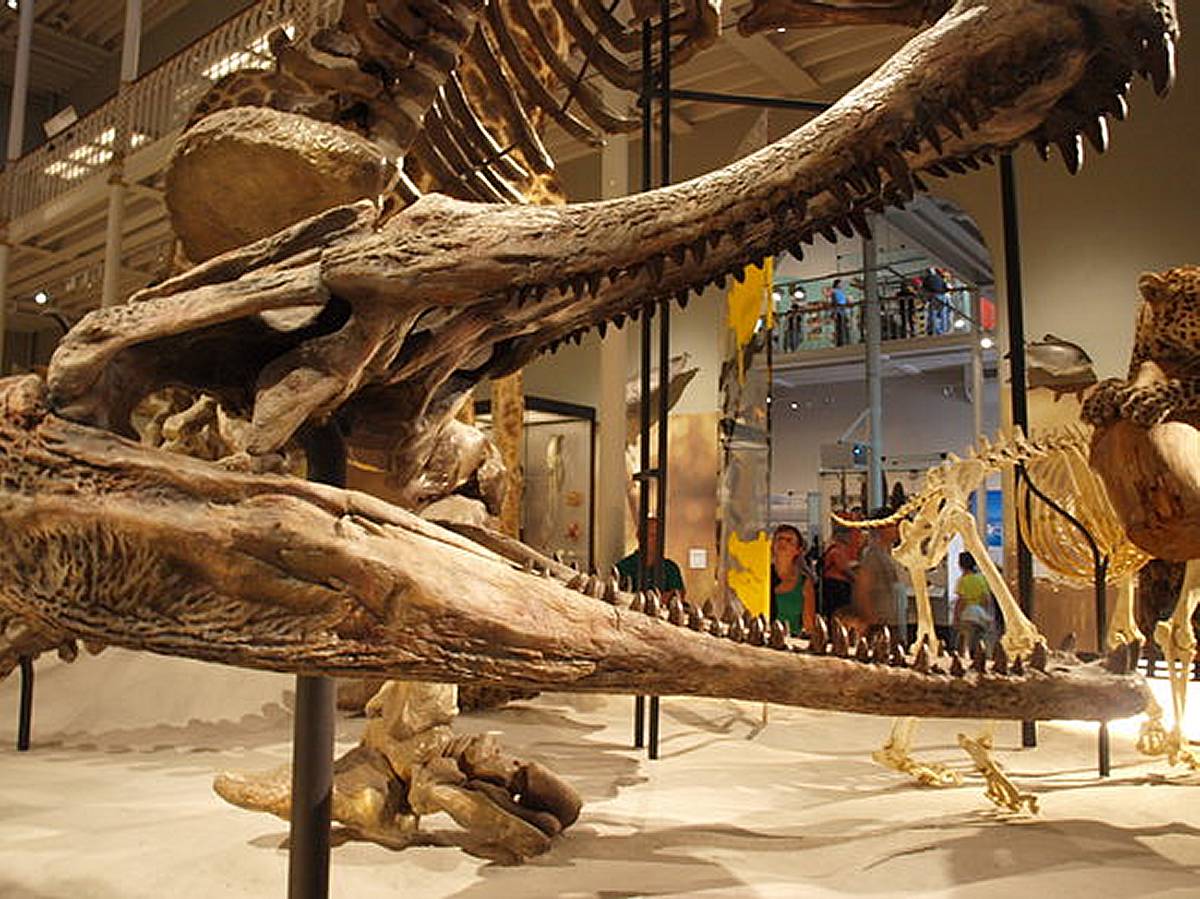
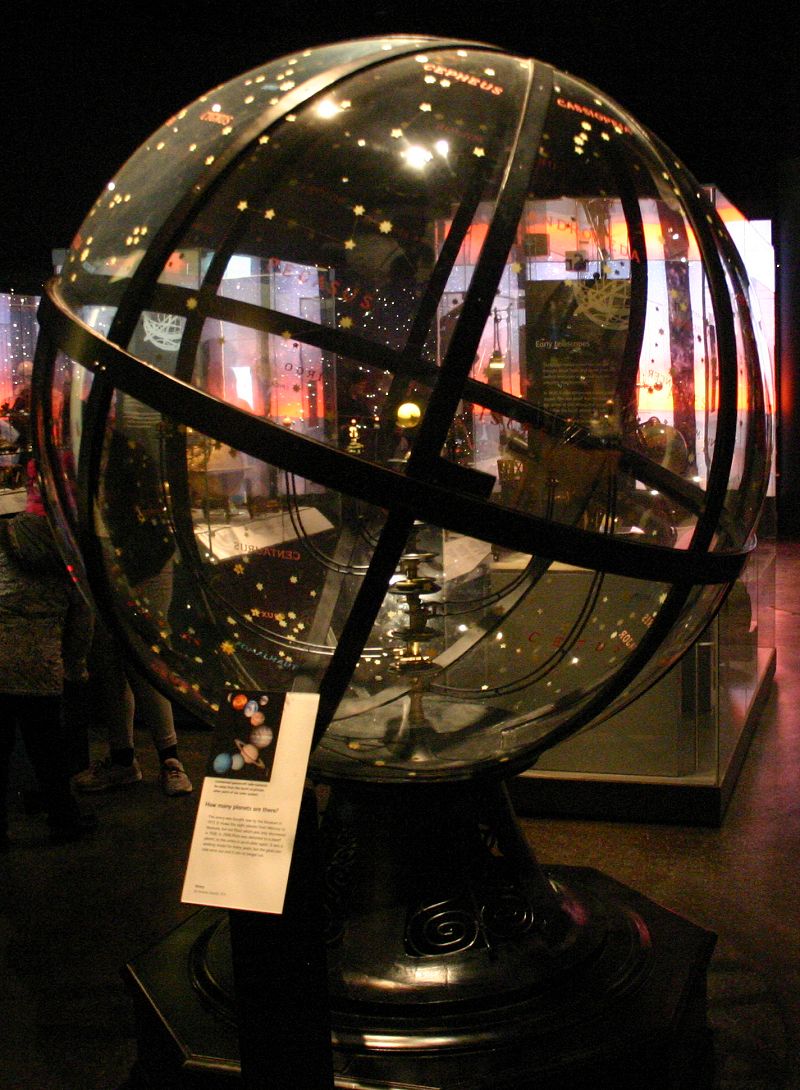
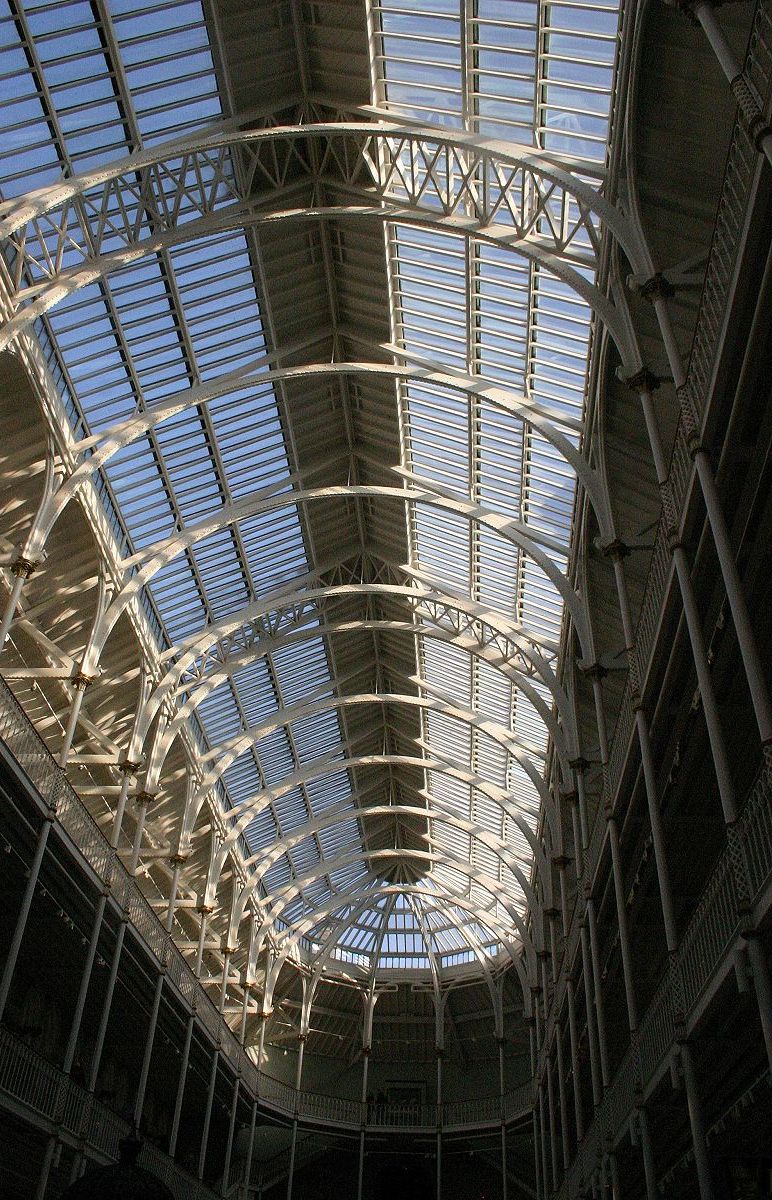
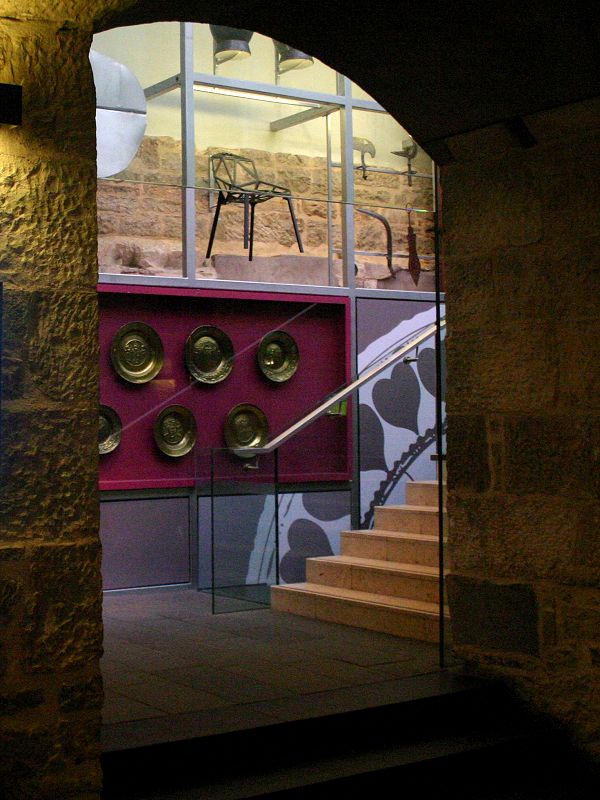
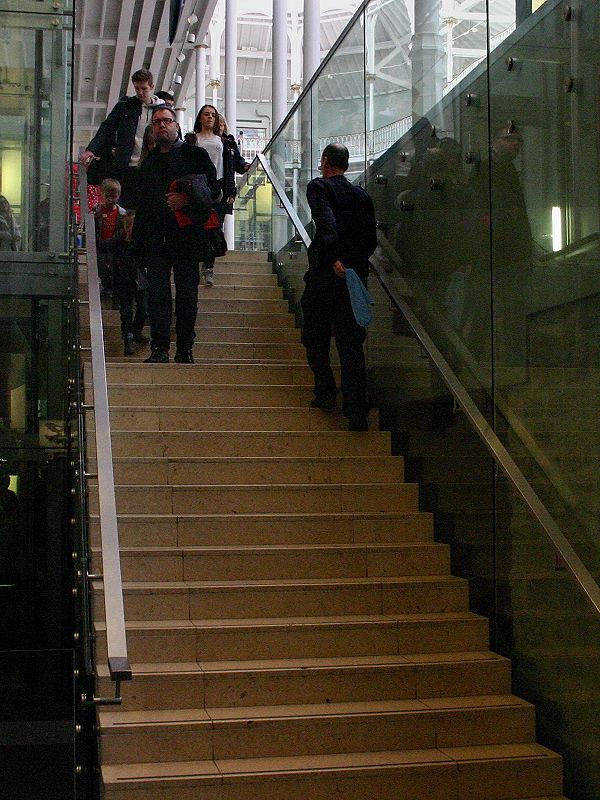
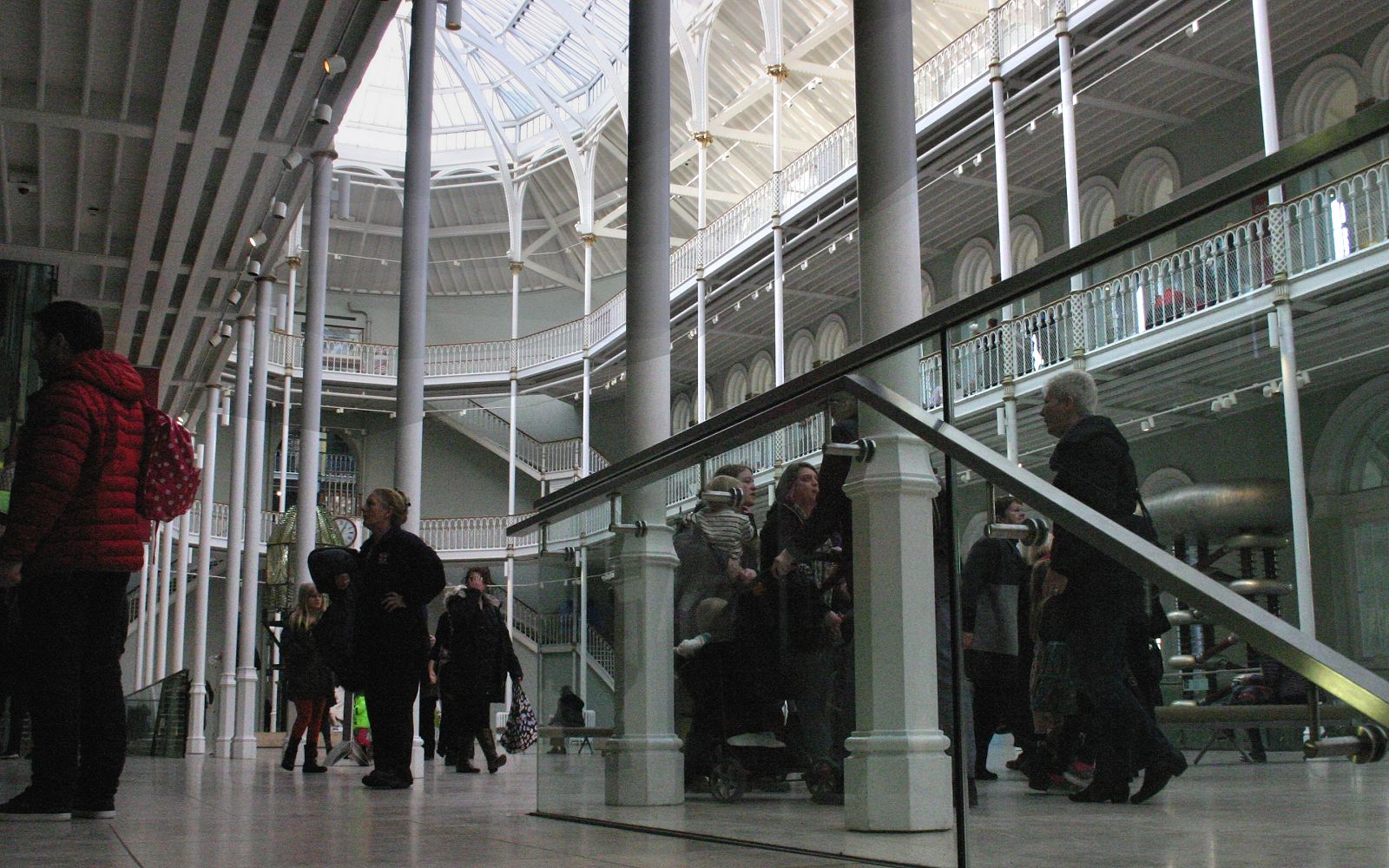
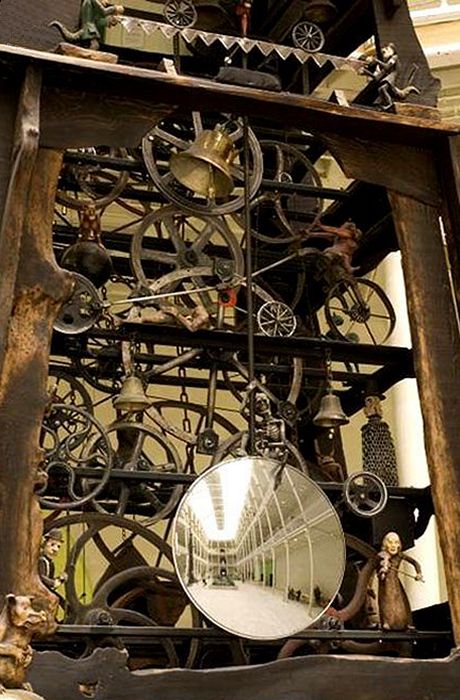
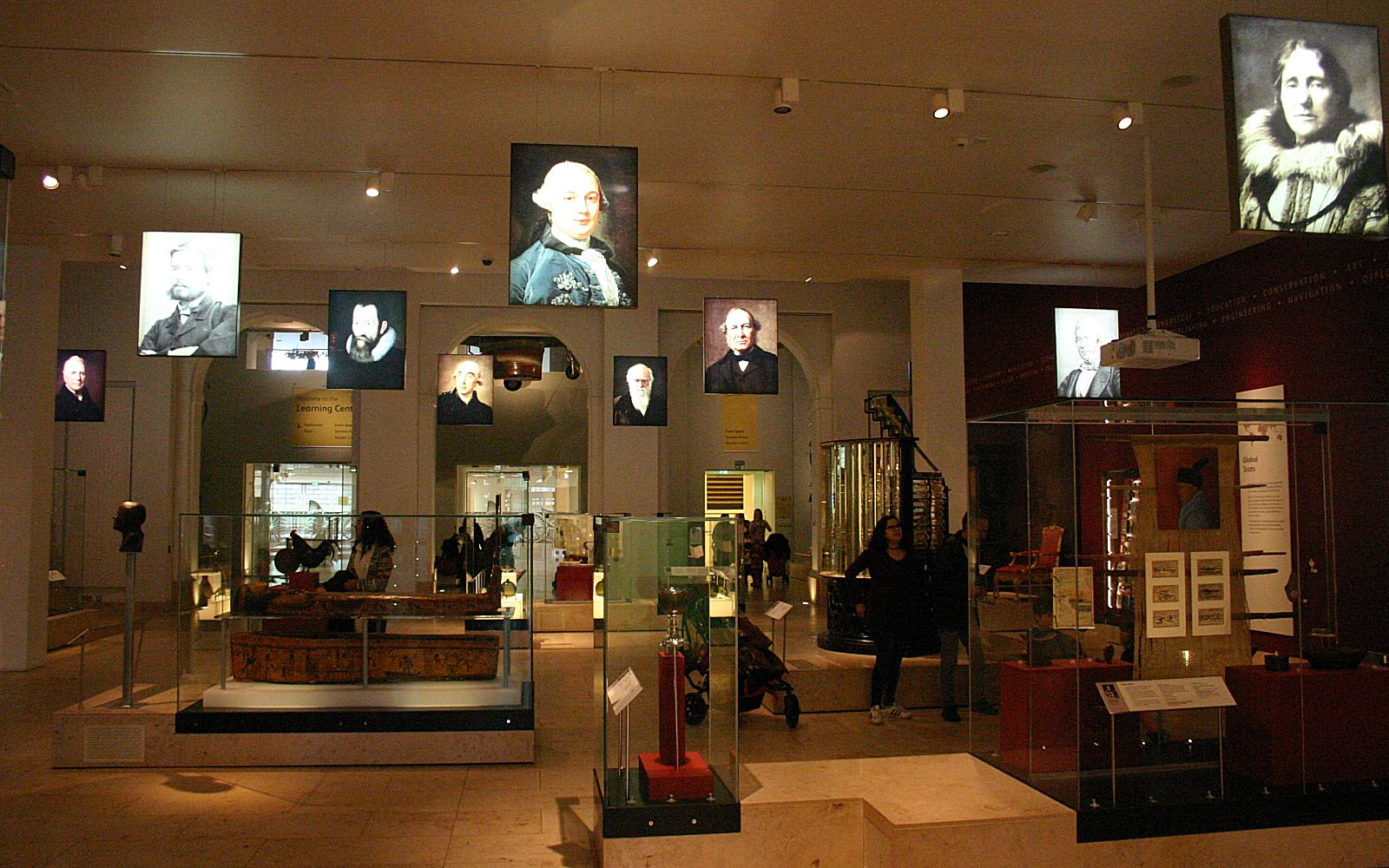
Hall in Cardiff, and this year in the splendid surroundings of the National
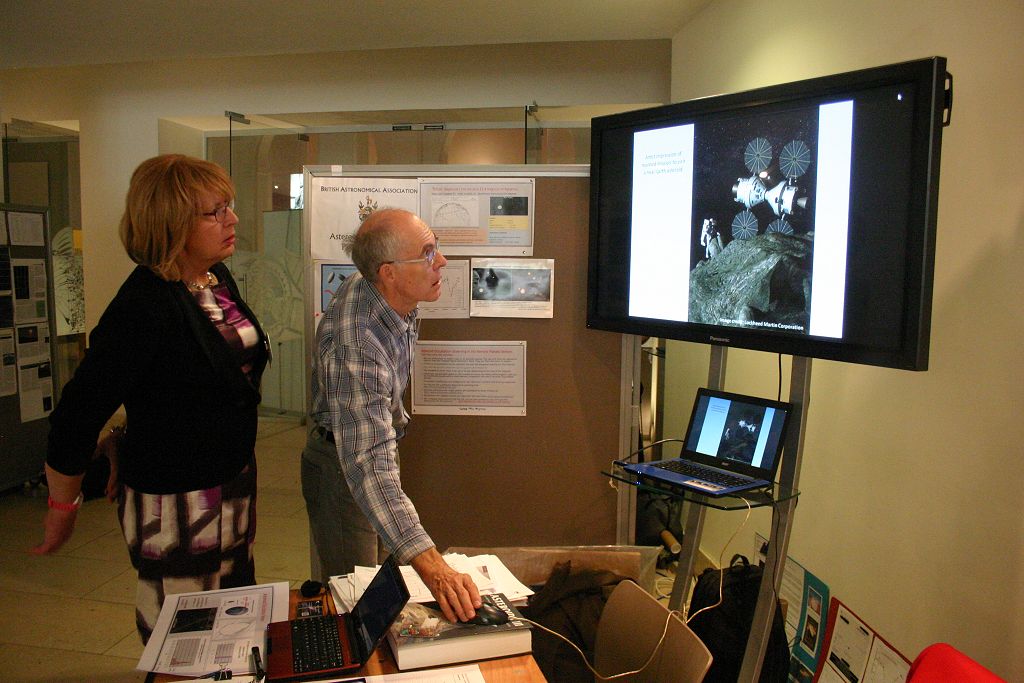
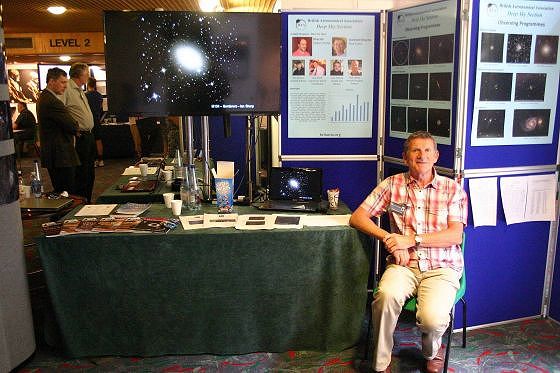
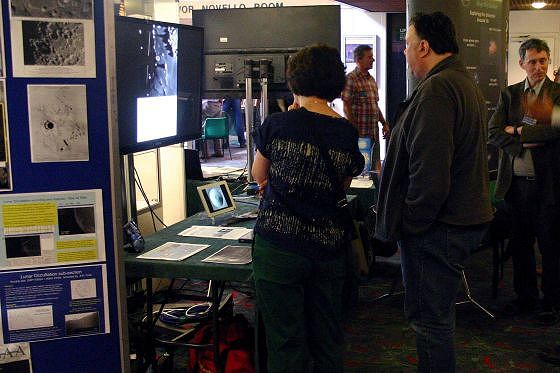
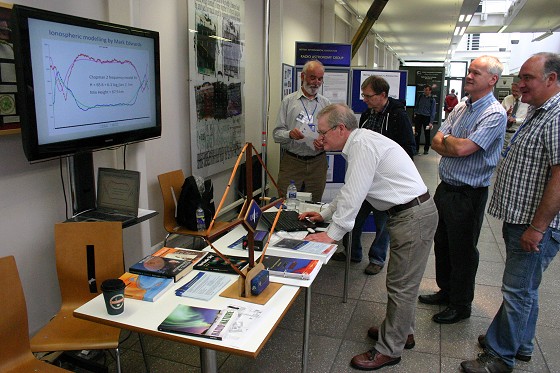
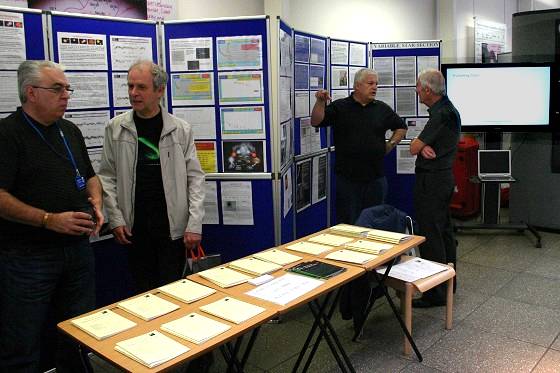
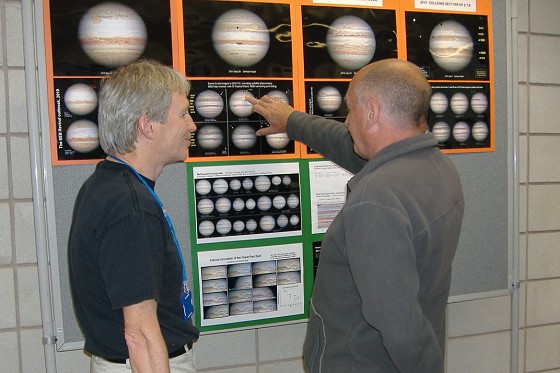
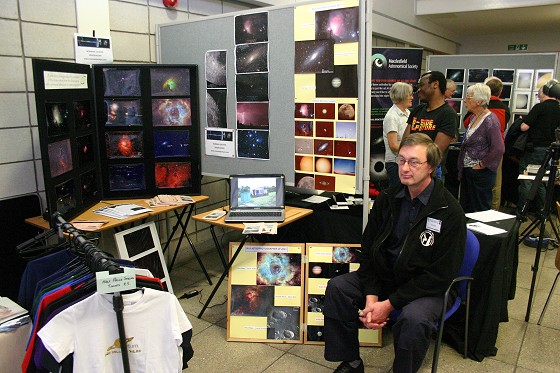
Museum of Scotland in Edinburgh. The Directors and Coordinators again
produced impressive displays using poster boards and several large monitors
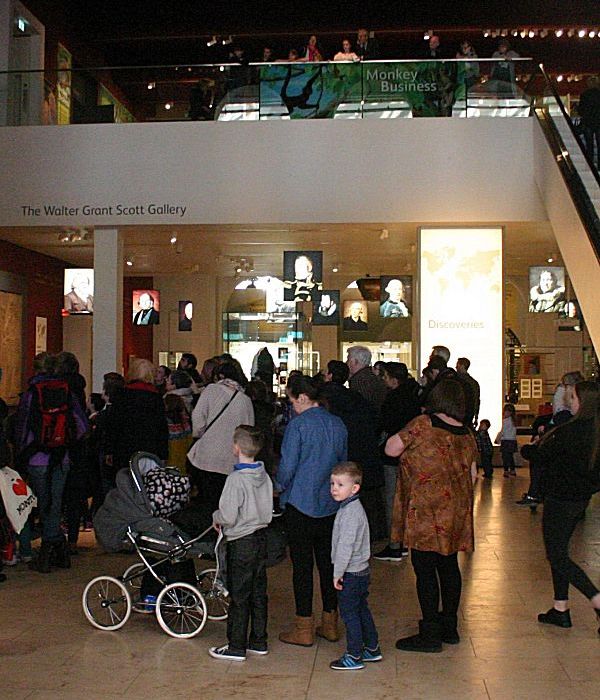
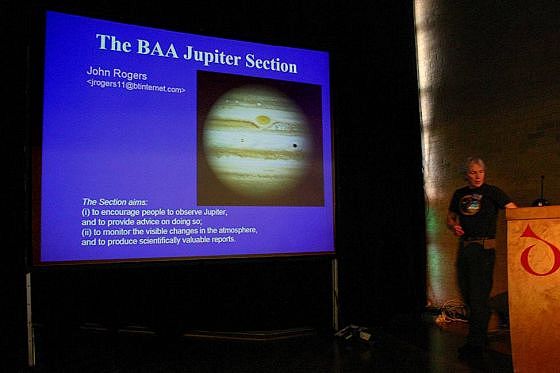
in conjunction with laptops, iPads, and other devices. Groups of short talks
summarising the aims and objectives of the Association and the work of the
Sections were presented in the auditorium throughout the day, and the talk by
the guest speaker, Professor Ian Robson, on ‘The Changing Scene of
Astronomy’, was enjoyed by a large audience. The event was a great
success, and feedback from members and the public has been very positive. John
Rosenfield, a new member in Scotland, writes: ‘For me, the timing was
perfect; I became a member of the BAA late last year, so an Exhibition north
of the border gave me a good chance to meet with you all, for which I am
grateful. I joined on behalf of the two astronomical societies to which I
belong: the Highlands Astronomical Society, and Sigma, Moray’s
Astronomical Society. Both are interested to hear about your work. The
Exhibition was quite stunning. I was fascinated to see the photographs and
drawings from each Section; it really brought home to me that amateur
astronomers really do have a role to play. The chance to talk with Directors
was greatly appreciated, and perhaps the greatest value was in hearing their
talks, which helped me towards a greater understanding of just how the BAA
goes about its work, all of which was very encouraging and thought-provoking.
A quite superb Exhibition.’ Professor
Ian Robson ‘really enjoyed meeting up with people and listening to the
Section talks. The stands were very professional and it obviously was a good
day for everyone. Well done on the organising of the Exhibition, very
professional and a great website.’ Will
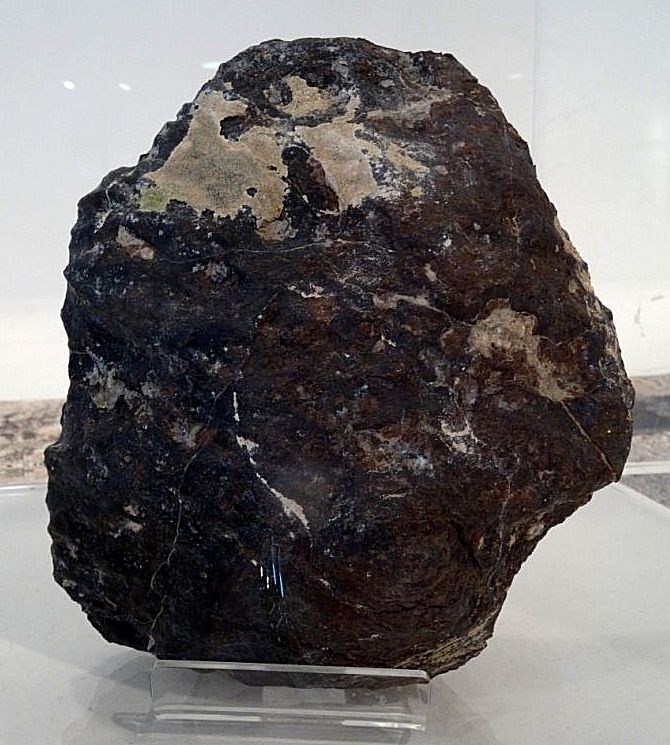
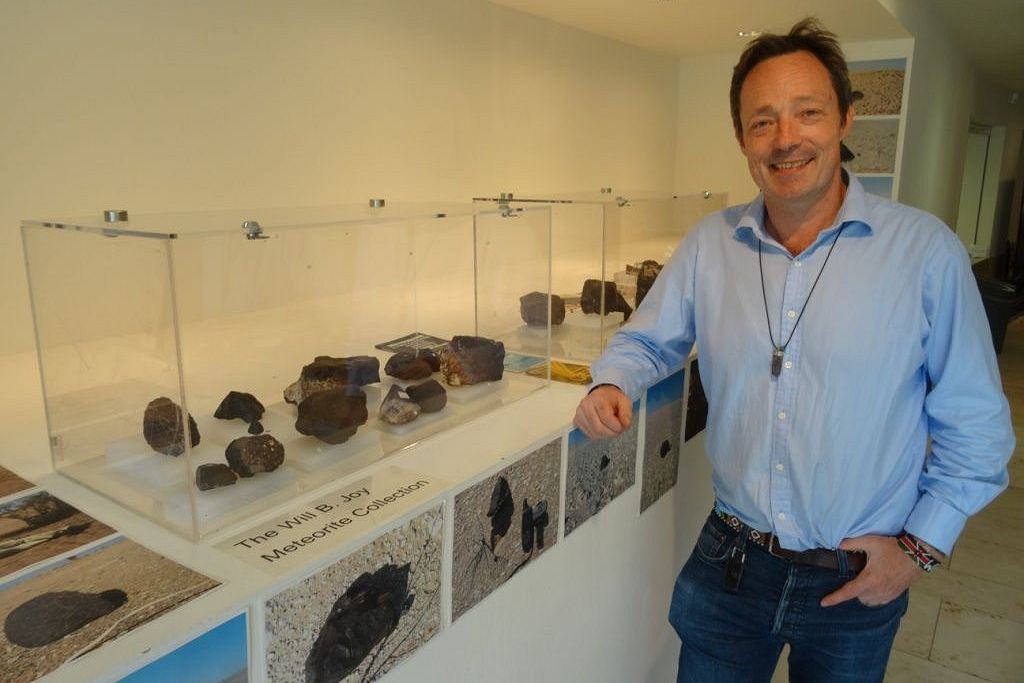
Joy participated with his superb collection of meteorites: ‘Thank you
so much for the opportunity to display and share some of my meteorite finds
with other BAA members and the public here in Scotland. It was a fantastic
day, and has given me a huge boost with progressing with my own research. In
the last few days I have linked up with St Andrews University and will be
making 3D photogrammetry scans of
all my oriented meteorites. This will be a great electronic archive and will
allow the 3D orientations to be clearly shown over the Internet.’ These
and other commendations demonstrate that the BAA Exhibition is not just a
one-day event but contributes significantly to the Association’s
objectives in promoting all branches of astronomical research, both amateur
and professional, and encouraging a popular interest in astronomy by serving
the public as well as the members. I would like to thank all the exhibitors,
speakers, visitors, and correspondents for their contributions, support, and
enthusiasm. Lorraine
Crook, Exhibition Organiser Download this report |
|
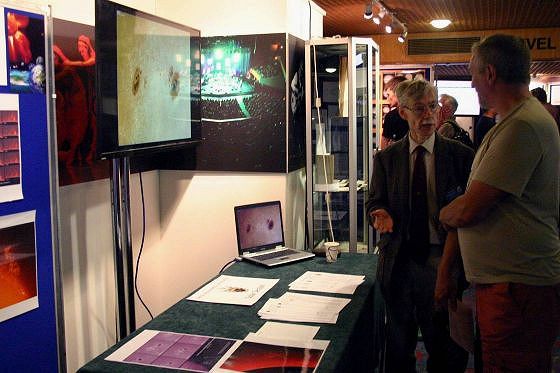
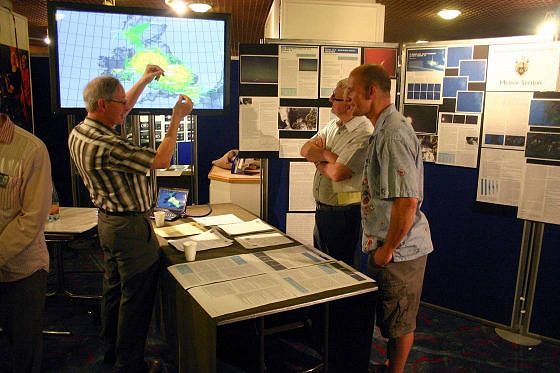
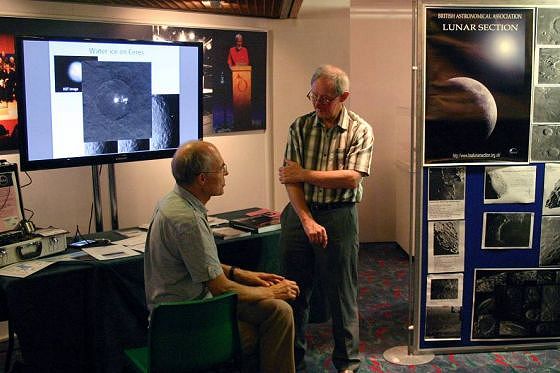
Sandra
Brantingham and Richard Miles |
|
Lyn
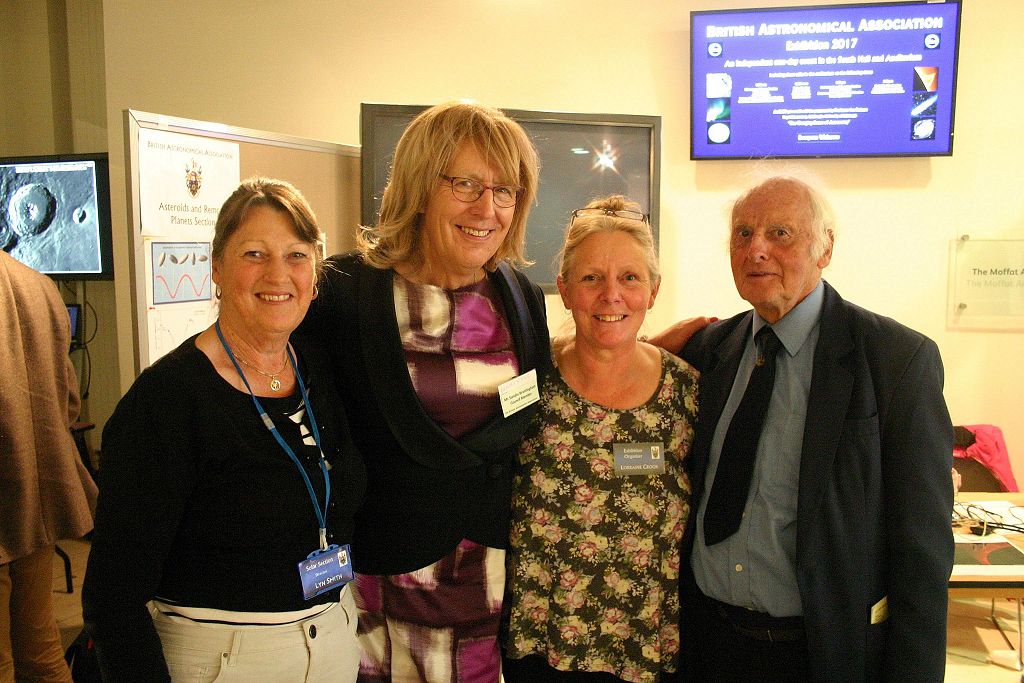
Smith, Sandra Brantingham, Lorraine Crook, and David Gavine |
|
David
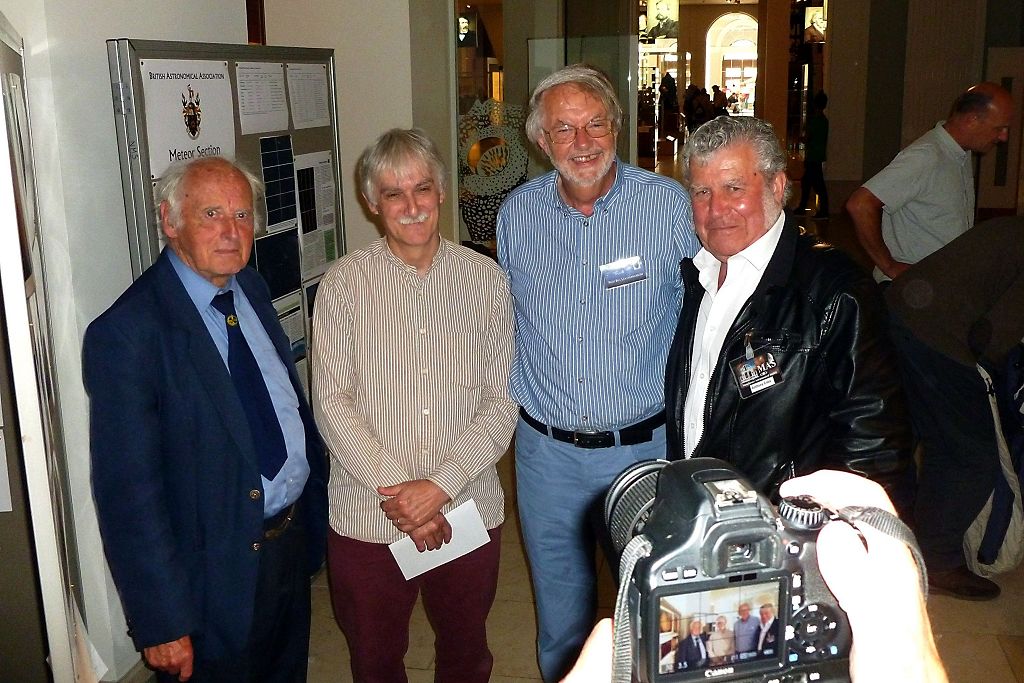
Gavine, John Mason, Bill Leatherbarrow, and Anthony Cross |
|
Mike
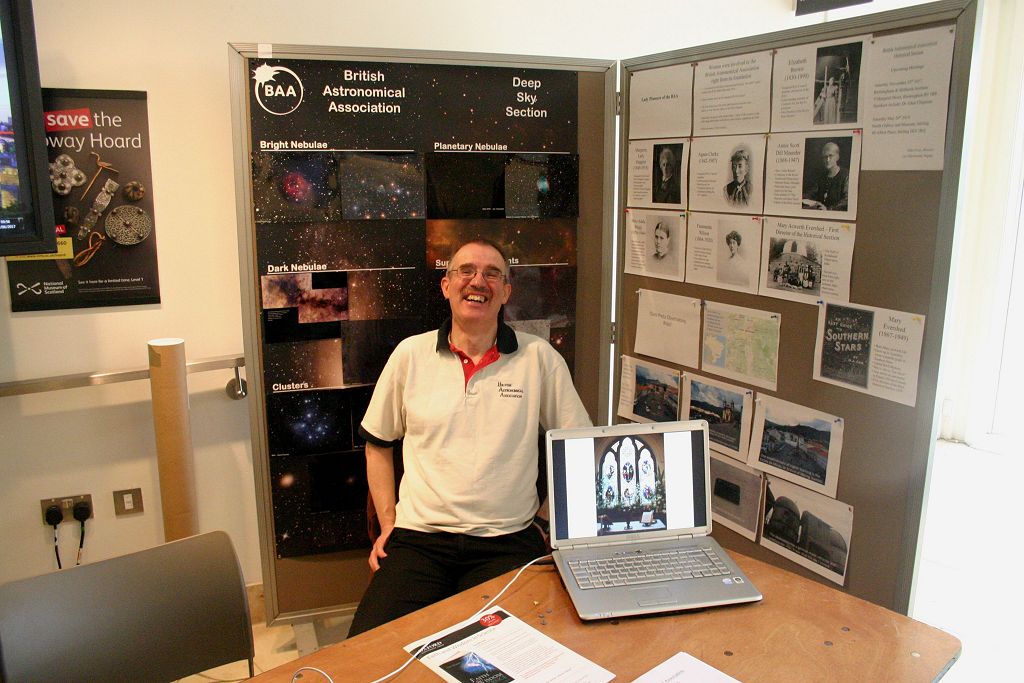
Frost |
|
John
Rogers and Lyn Smith |
|
Lee
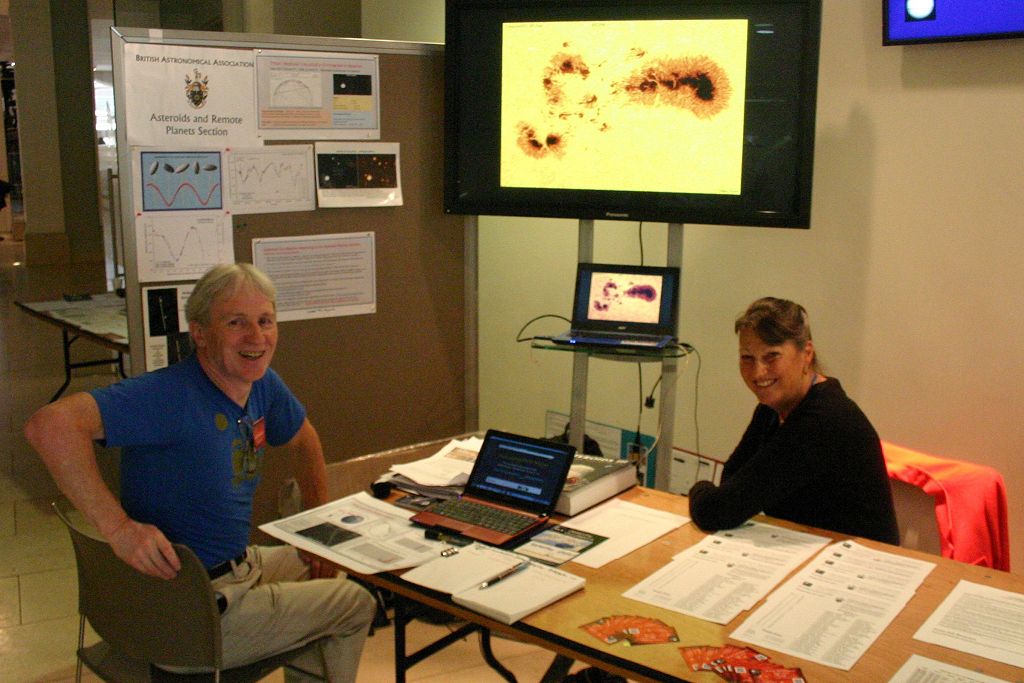
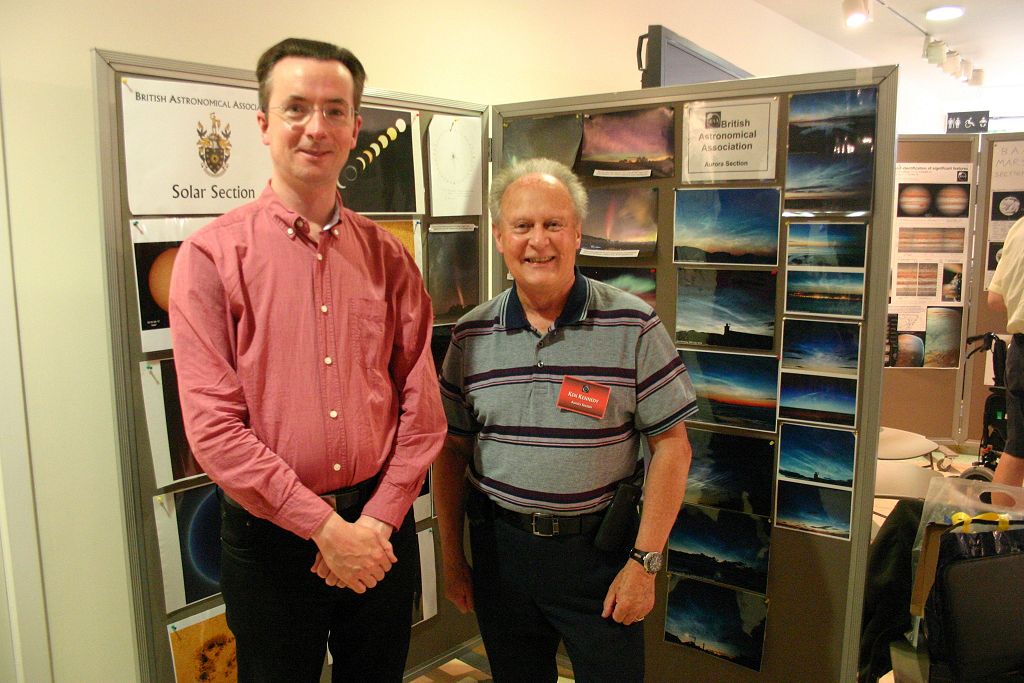
Macdonald and Ken Kennedy |
|
Sandra
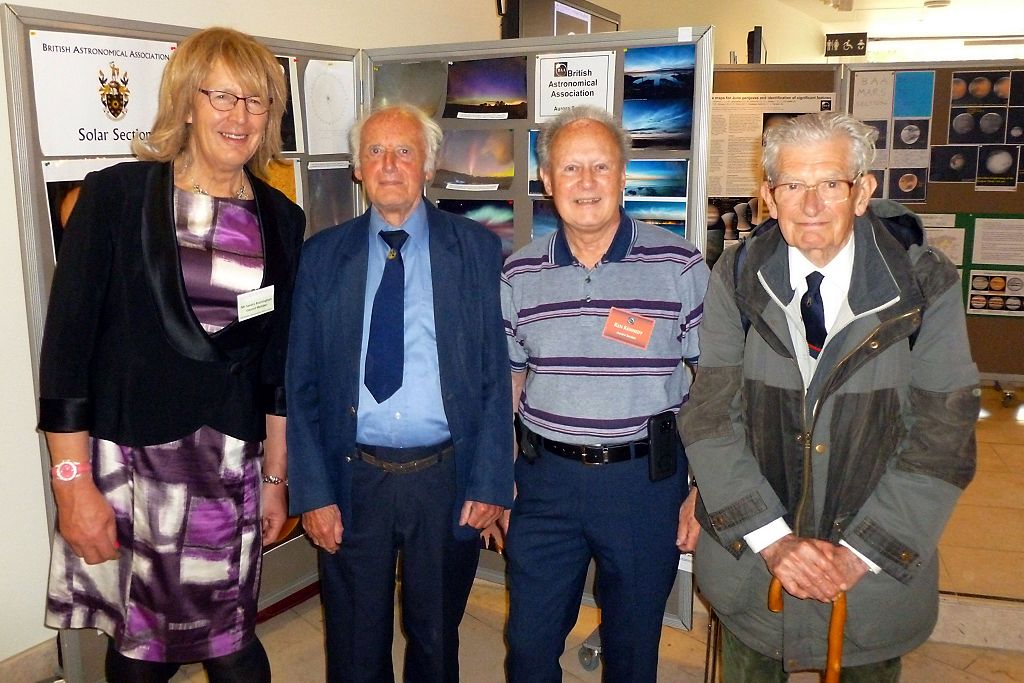
Brantingham, David Gavine, Ken Kennedy, and Ron Livesey |
|
Bob
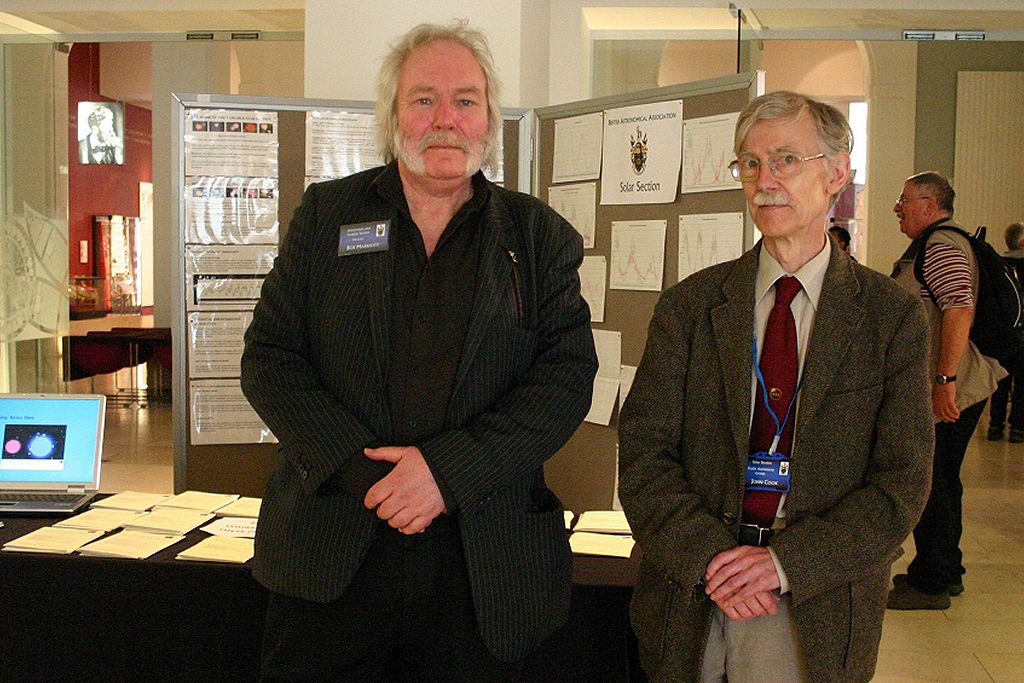
Marriott and John Cook |
|
Professor Ian Robson and Lorraine
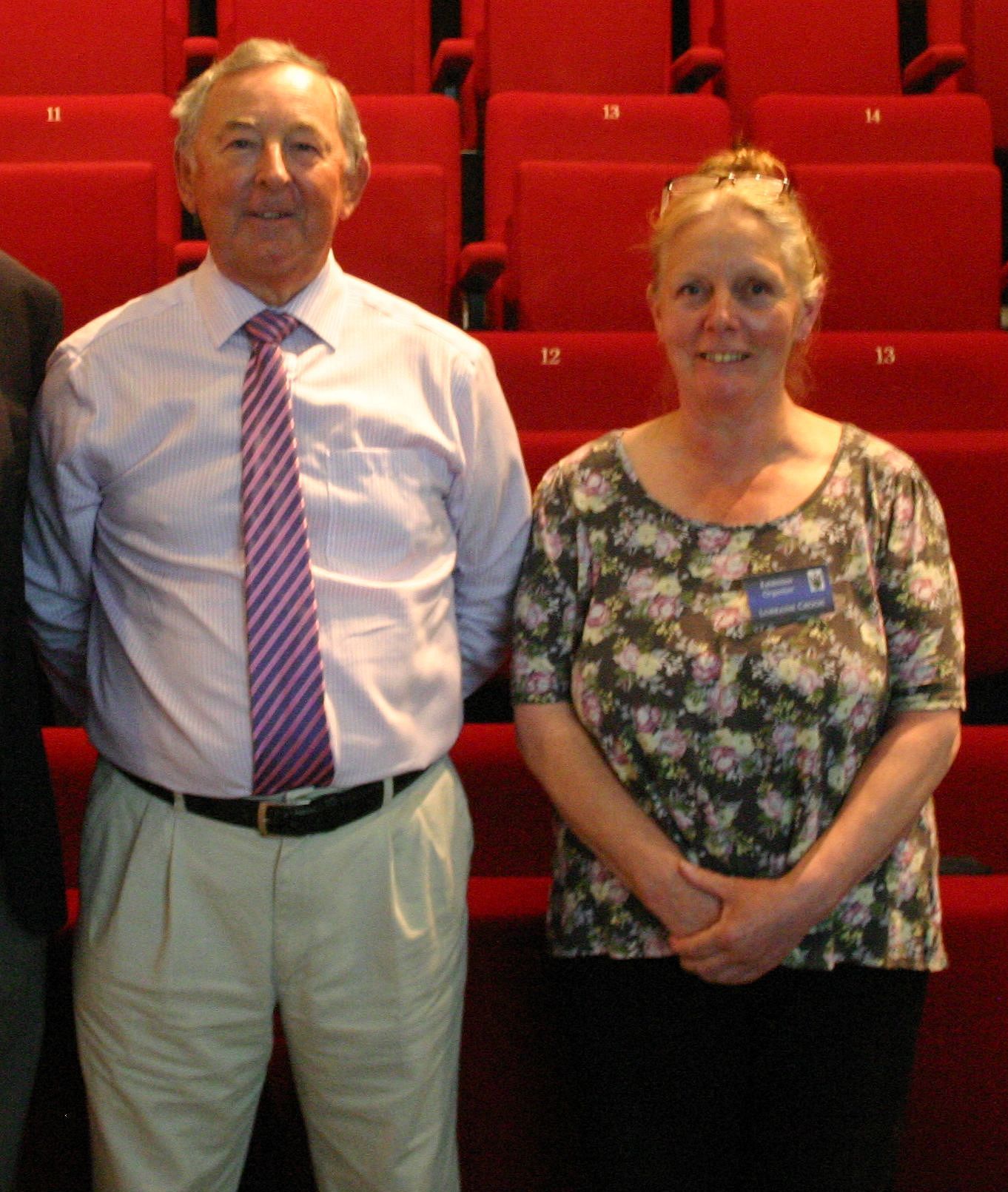
Crook |
|
|
Will
Joy and his meteorites |
|
–––––––––––––––––––––––––––––––––––––––––––––––––––––––––––––––––––––––––––––––––––––––––––––––––––––––––––––––––––––––––––––––––––––––––––––––––––––––––––––––––––––––––––––––––––––––––––––––––––––––––––––––––––––––––––––––––––––– |
|
|
|
|
|
|
|
|
|
|
|
|
|
|
|
|
|
|
|
|
|
|
|
|
|
–––––––––––––––––––––––––––––––––––––––––––––––––––––––––––––––––––––––––––––––––––––––––––––––––––––––––––––––––––––––––––––––––––––––––––––––––––––––––––––––––––––––––––––––––––––––––––––––––––––––––––––––––––––––––––––––––––––– |
|
EXHIBITION 2015 IN CARDIFF |
|
|
|
|
|
|
|
|
|
|
|
|
|
|
|
|
|
|
|
|
|
|
|
|
|
|
|
|
|
|
|
–––––––––––––––––––––––––––––––––––––––––––––––––––––––––––––––––––––––––––––––––––––––––––––––––––––––––––––––––––––––––––––––––––––––––––––––––––––––––––––––––––––––––––––––––––––––––––––––––––––––––––––––––––––––––––––––––––––– |
|
EXHIBITION 2013 IN MANCHESTER |
|
|
|
|
|
|
|
|
|
|
|
|
|
|
|
|
|
|
|
|
|
|
|
|
|
|
|
|
|
|
|
–––––––––––––––––––––––––––––––––––––––––––––––––––––––––––––––––––––––––––––––––––––––––––––––––––––––––––––––––––––––––––––––––––––––––––––––––––––––––––––––––––––––––––––––––––––––––––––––––––––––––––––––––––––––––––––––––––––– |